
Is Dog Poop Bad for Your Lawn?
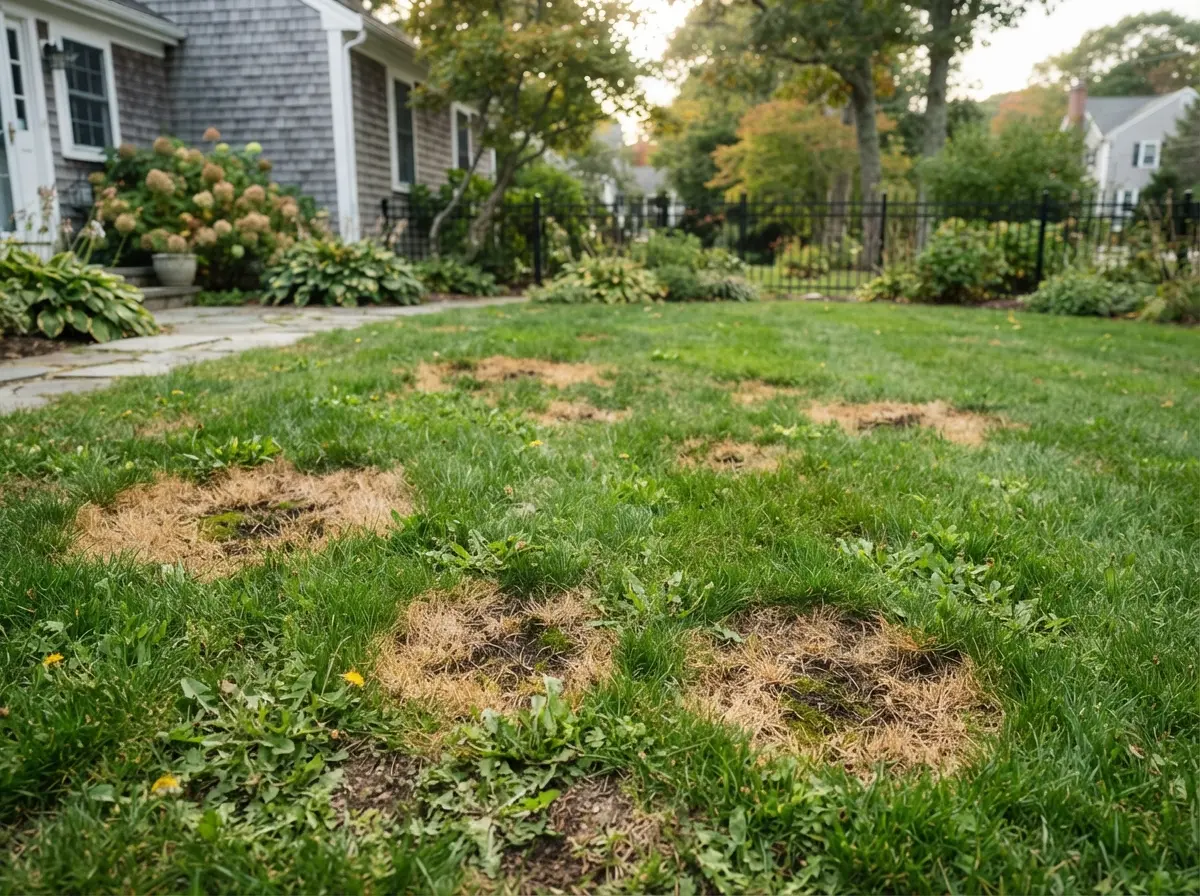
Yes, dog poop is bad for your lawn. It burns grass, creates dead patches, and does not fertilize the way cow manure does. Leaving it in place damages the soil and the grass underneath.
Dog waste is high in protein and acidic. When it sits on grass, it kills the blades and leaches into the soil, creating spots that will not recover on their own. Here is what actually happens and what you can do about it.
Key takeaways
- Dog poop is acidic and high in protein, which burns grass rather than feeding it.
- Waste left on the lawn creates dead patches that often do not recover without reseeding.
- Dog waste does not work like cow manure because dogs eat animal-based diets.
- Weekly removal is the simplest way to prevent lawn damage from dog waste.
Why Dog Waste Burns Grass
Dogs eat diets high in animal protein. Their waste reflects that. It is acidic and nitrogen-heavy, which means it does not break down into fertilizer the way cow or horse manure does.
When a pile sits on your lawn, the concentrated nitrogen and acidity burn the grass underneath. The blades turn yellow, then brown, then die. Even after the waste is removed, the soil in that spot has been overloaded and the grass will not grow back on its own.
This is different from cow manure, which comes from a plant-based diet and breaks down into nutrients the soil can use. Dog waste is closer to the opposite. It adds too much nitrogen in one concentrated spot, which kills rather than feeds.
What Happens to the Dead Patches
Once a patch of grass is burned by dog waste, it usually stays dead. The soil underneath has been overloaded with nitrogen and acid, and the grass roots are damaged. Rain does not fix it, and mowing does not help.
In a New England yard, those dead patches get worse over winter. Snow presses the waste into the soil, and the freeze-thaw cycle locks the damage in. By spring, you are left with bare spots that need reseeding or resodding.
The more waste that accumulates, the more patches you get. A yard with weeks of uncollected waste can end up with large dead zones that take a full season to repair.
How to Protect Your Lawn
The most effective way to prevent lawn damage is to remove waste before it has time to sit. Weekly removal keeps waste off the grass long enough to cause burning, which means the lawn stays healthy and the soil stays balanced.
If you already have dead patches, you will need to reseed or resod those areas. Removing the waste going forward prevents new patches from forming while the old ones recover.
For yards with heavy use or odor problems, an odor control treatment can help neutralize the soil in high-traffic areas. This is an add-on to regular cleanup, not a replacement for it.
If you want a clean yard without spending your weekends on it, weekly dog waste removal from Scoop A Lot handles the problem for you. You can also check our service areas to see if we cover your town.
Frequently Asked Questions
Does dog poop fertilize grass?
Will grass grow back after dog poop kills it?
How often should I remove dog waste to protect my lawn?
Can I use fertilizer to fix dog poop damage?
Related
- See pricing — weekly service starts at $125/month, with a free first cleanup.
- Weekly Dog Waste Removal — Best for steady, low-stress yard maintenance.
- Dog waste removal in Hubbardston, MA — see service details, pricing, and FAQs for Hubbardston.
- All service areas — check whether Scoop A Lot covers your town.
- Contact Scoop A Lot — request a quote for your yard, dogs, and schedule.
Ready for a cleaner yard?
Get a simple quote from Scoop A Lot and choose a cleanup schedule that fits your dogs, your yard, and your budget.